U.S. Homeschooling Survey: Parent Perspectives And Trends

Executive Summary
A recent FlexPoint survey reveals that homeschooling continues to be a preferred educational choice for many U.S. families. With 86% of respondents indicating plans to continue homeschooling, the findings underscore a significant shift in educational preferences. The survey was conducted by OvationMR, a third-party research firm, and highlights motivations, challenges, and evolving trends among homeschool families.

Key Findings
Highlights from the survey include: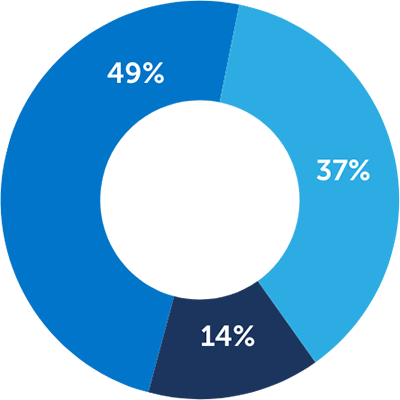
86% of families plan to continue homeschooling in the future
- 49% Plan to homeschool indefinitely
- 37% Plan to homeschool for the foreseeable future
- 14% Unsure / Do not plan to homeschool
- Personalized learning
- Safety concerns
- Flexibility in scheduling and curriculum
- Social interaction
- Time management
- Student motivation
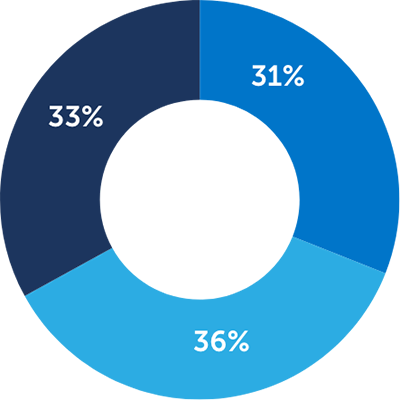
Homeschooling trends
- 31% of families started due to COVID-19 school closures
- 36% of families were homeschooling prior to the pandemic
- 33% of families started after the pandemic
Additional Insights
To deepen our understanding of homeschooling families’ experiences, we explored broader patterns and themes that emerged from parent responses. These insights reveal how families are shaping their homeschool routines, selecting curriculum, and engaging with their communities. They also highlight the diverse strategies parents use to support student success across academic and personal development.
Families prioritize core academic subjects—math, science, and English—followed by life skills, electives, and physical education. Many parents also incorporate religious or values-based instruction, especially in households where faith plays a central role.

Homeschooling often extends beyond the home. Parents report using libraries, museums, parks, and community centers as learning spaces. Outdoor learning and real-world experiences are frequently integrated into lesson plans.

A significant number of families use digital tools, including online courses, educational apps, and virtual tutoring. These tools help parents manage instruction, track progress, and offer enrichment opportunities.

Many families participate in homeschool co-ops, extracurricular clubs, and local events. These networks provide both academic support and social interaction for students.

Parents use a mix of structured and flexible teaching methods. Some follow a traditional school schedule, while others adopt interest-led or project-based learning models.
Parent Insights
Parents shared thoughtful reflections on their homeschooling journeys, offering valuable perspectives across several key areas. Their responses highlight both the motivations behind their decision and the day-to-day realities of home education.Top 5 Themes from Parent Feedback:

1. Personalized Learning
Parents value the ability to tailor instruction to each child’s needs. "It allows us to accelerate or slow down lessons based on each child's academic strengths and weaknesses."
2. Safety and Emotional Well-being
Many families cited concerns about bullying, school violence, and mental health as reasons for choosing homeschooling.
"Homeschooled children avoid direct participation in or witnessing potential violence on school grounds."
3. Academic Focus and Flexibility
Parents appreciate the freedom to design a learning experience that reflects their children’s unique academic needs and family lifestyle. This flexibility allows them to spend more time on challenging subjects, explore areas of interest in greater depth, and adapt schedules around travel, extracurriculars, or family commitments. “We can spend more time on subjects that need extra attention and move quickly through others.”
4. Family Bonding and Values
Homeschooling is often seen as a way to strengthen family relationships and instill shared values. "We’re able to incorporate our faith and family traditions into everyday learning."
5. Socialization and Community
While social interaction is a concern, many parents actively seek out opportunities for their children to engage with peers through co-ops, sports, and community programs.
"We’ve built a strong network of other homeschool families—we do field trips, science fairs, and even group classes together."
These insights reflect a holistic approach to education, where academic rigor is balanced with emotional well-being, family values, and real-world experiences.
Broader Context
The findings from the FlexPoint survey closely reflect national homeschooling trends. In our study, parents cited personalized learning, safety, and flexibility as their top motivations—echoing broader data that shows families are increasingly choosing homeschooling to better meet their children's academic and emotional needs. Additionally, 49% of respondents plan to homeschool indefinitely, signaling a long-term shift in educational preferences.
This aligns with recent research from Pew Research Center and Admissionsly, which estimates that in 2024, approximately 4.2 million children were homeschooled in the U.S., representing 7.6% of the school-age population. The most commonly cited reasons for homeschooling nationally include:
- Concerns about school environment (83%)
- Dissatisfaction with academic instruction (72%)
- A desire to provide moral or values-based instruction (75%)
Together, these data points reinforce the growing role of homeschooling in the U.S. and highlight the importance of understanding and supporting families who make this educational choice.

Survey Methodology
The survey was conducted by third-party researcher OvationMR between October and December 2024. It included 1,424 homeschooling parents from California, Florida, New York, North Carolina, and Texas. Participants had at least one child in PreK–12 who is homeschooled at least 50% of the time. The survey consisted of six screener questions, 23 main questions, and six demographic questions.Conclusion
The data from the FLVS survey—and national research—make it clear: homeschooling is a growing and sustained choice for many families. With nearly half of surveyed parents planning to homeschool indefinitely, and 86% intending to continue, it’s essential for K-12 schools to recognize this shift and respond with meaningful support.
FLVS is uniquely positioned to support homeschool families through its individual course (FLVS Flex) option, which allows students to enroll in individual courses year-round. It gives families the freedom to explore more than 200 online courses taught by certified-teachers at your child’s preferred pace. That way, when families need help, they have the support of instructional stuff who can share resources and guidance. FLVS Flex offers:

Flexible scheduling
Students can start courses anytime and work at their own pace, making it easier to tailor learning to family routines and student needs.

Standards-based curriculum
All courses are aligned with Florida-state standards and taught by certified teachers, ensuring academic rigor and consistency.

Individual teacher support
Each student is paired with a dedicated teacher who provides personalized instruction, feedback, and guidance throughout the course.
“The future of education lies in personalization—meeting students where they are and giving families the flexibility to choose what works best for them. At Florida Virtual School, we’re focused on creating learning environments that adapt to each student’s needs, helping them thrive academically and personally in a rapidly changing world.”
- Dr. Louis Algaze, President and CEO

Whether families are new to homeschooling or looking to enhance their homeschool setup, FLVS Flex empowers them to take control of their child’s education—without having to do it alone. With engaging courses across all grade levels, including core subjects, electives, and Advanced Placement (AP) options, FLVS Flex ensures that homeschool students receive a well-rounded, supported, and personalized learning experience.

Learn more about how FLVS supports homeschool families.



 Whoops, that's an error!